Blog
Insights on AI-powered user research, synthetic personas, and building products people actually want.
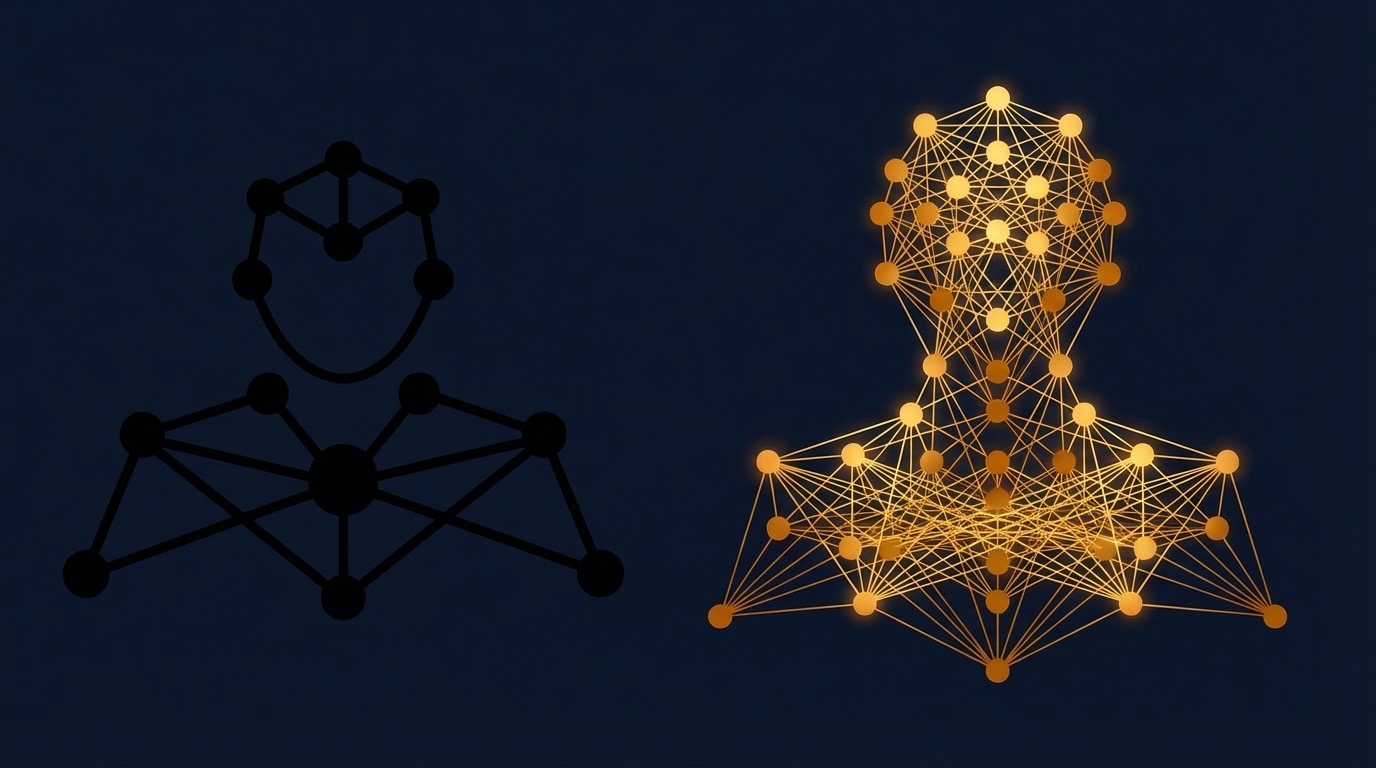
What Separates a Useful Synthetic Persona from a Chatbot Wearing a Costume
Most AI persona tools just prepend a name and age to a prompt. That produces a stereotype, not a persona. Here are the five criteria that separate useful synthetic personas from shallow chatbot tricks.

8 Papers That Prove Synthetic Personas Work: An Annotated Guide
An annotated guide to the peer-reviewed research behind personality-grounded AI personas — what each paper found, why it matters for product research, and how Synthicant implements the findings.
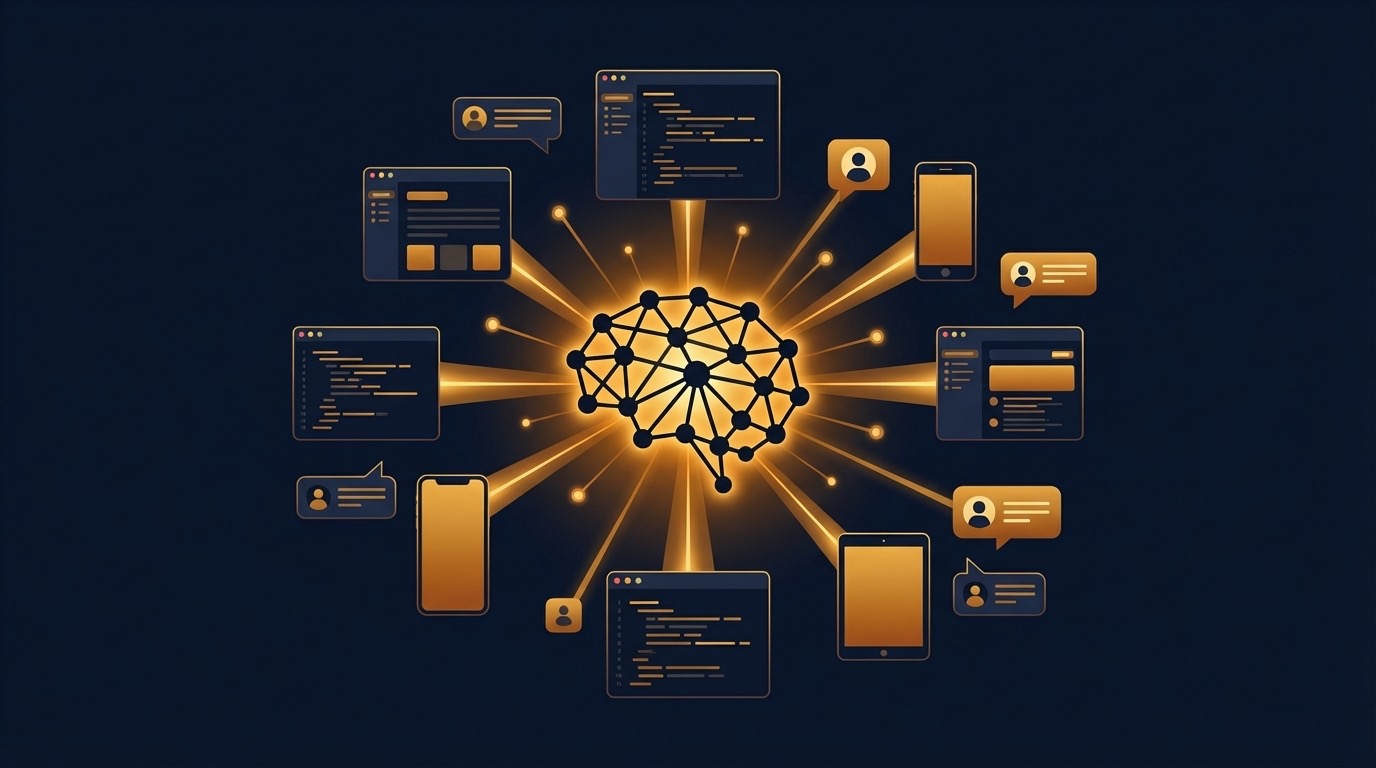
Personas Beyond Research: 5 Ways to Embed AI Personas in Your Product
Research is just the beginning. The same persona engine that powers user interviews can run interactive demos, support agents, onboarding guides, and sales training — all from one script tag.
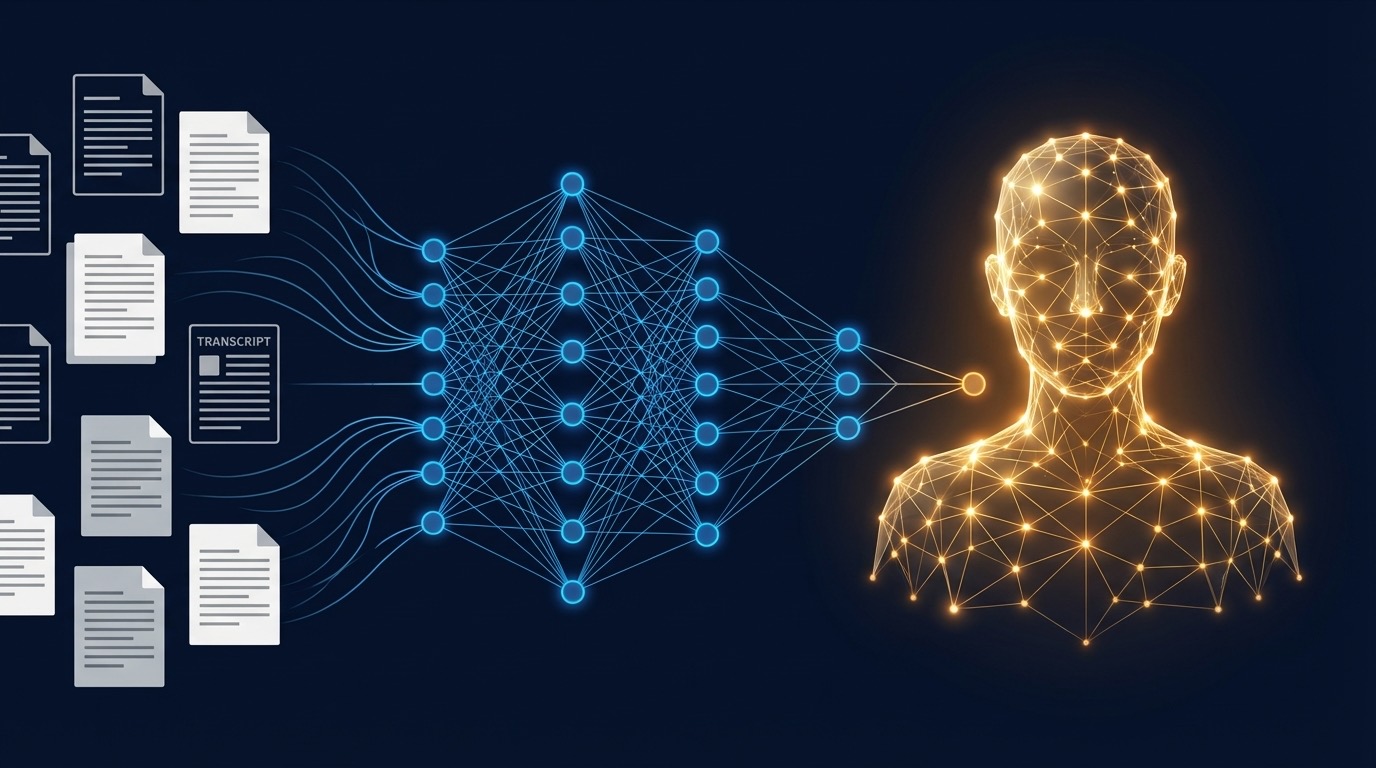
From Interview Transcripts to Living Personas: How the Dynamic Pipeline Works
Upload real interview transcripts and let AI extract personality traits, speaking style, beliefs, and quotes — building a persona that evolves with every document you add.
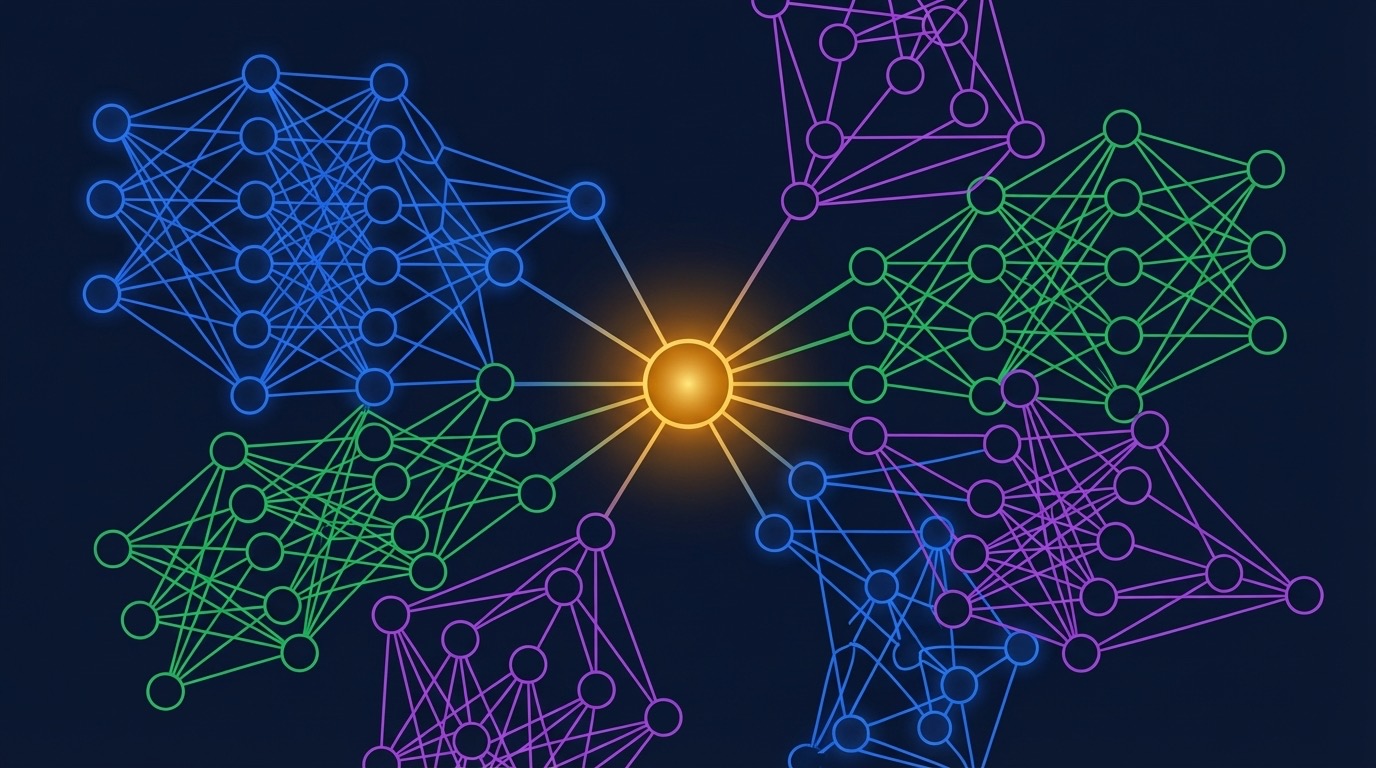
Different LLMs Have Different Personalities — And That's a Problem
Research proves each LLM has a stable, distinct personality profile. Switching models mid-research introduces uncontrolled variation. Explicit OCEAN parameterization is the fix.

From Research Sprints to Always-On Personas: The Case for Continuous Discovery
Traditional user research happens in expensive bursts. Synthetic personas enable continuous discovery — and embeddable widgets make it available 24/7.
Chain of Feeling: Why Emotional State Matters More Than Logic in Persona Research
Most AI tools optimize for logical reasoning. Real users make decisions based on feelings. Here's how OCEAN personality scores create emotional texture in synthetic personas.

When to Stop Interviewing: Saturation in Synthetic Persona Research
Traditional research hits saturation at 12-15 interviews. Synthetic personas let you systematically vary personality to reach real saturation faster — if you do it right.
Synthetic Users vs. Digital Twins: Why Product Teams Don't Need Clones
Digital twins try to clone individuals. Synthetic personas represent archetypes. Only one of these is useful for product research.

Why Context Beats Prompting for Synthetic Personas
Prompt-based personas guess. Evidence-grounded personas know. Here's how RAG and PII redaction make synthetic user research trustworthy.

Qualitative Depth at Quantitative Speed
Traditional research forces a choice between deep interviews and large sample sizes. Synthetic personas eliminate that tradeoff.
Documented Bias Is a Feature, Not a Bug
Most AI tools hide their biases. Synthicant makes bias explicit and controllable through OCEAN scores and deliberate cognitive bias modeling.
The Say-Do Gap: Why Your Interviewees Are Lying to You
Customers say one thing and do another. Synthetic personas with explicit personality traits bypass the politeness filter that ruins traditional interviews.
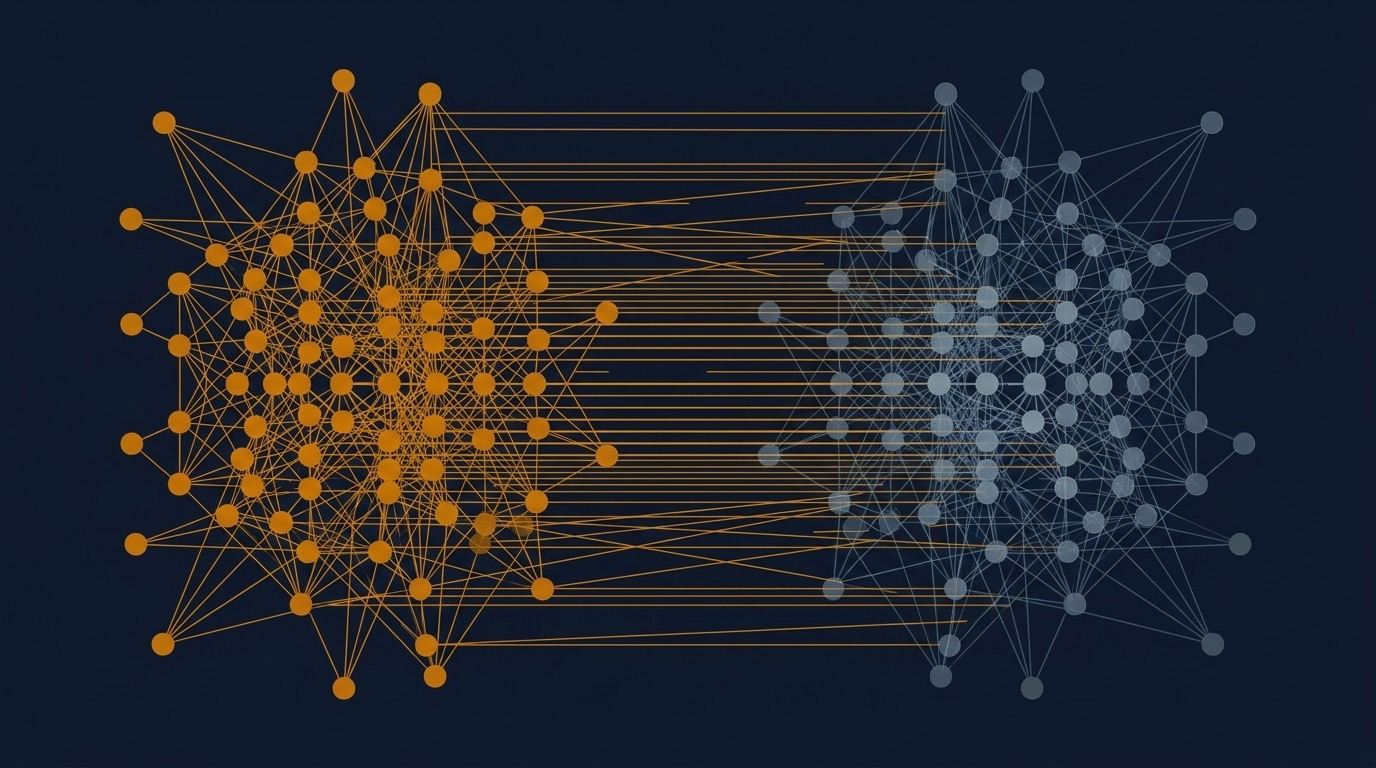
100 Synthicant Personas vs 100 Real Humans: What Matched, What Didn't
Columbia Business School published responses from 2,058 real people to a behavioral economics survey. We rebuilt 100 of them as Synthicant personas and re-ran the same questions. Here's what we got right, what we got wrong, and what it means for using synthetic personas in product research.

When Synthetic Personas Match Real Users: The Accuracy Research
Research shows personality-grounded AI personas predict human responses at 85-92% accuracy. Here's why OCEAN scoring beats demographic-only approaches.
10 Things You Can Do with Synthicant Right Now
From cloning real people to stress-testing your pricing page, here are 10 things you can do with Synthicant today that would take weeks with traditional research.

The Observer Effect: AI Personas Behave Differently When They Think They're Being Watched
A 2025 study found that AI agents change their behavior based on social context — just like humans. Here's what that means for the accuracy of synthetic user interviews.
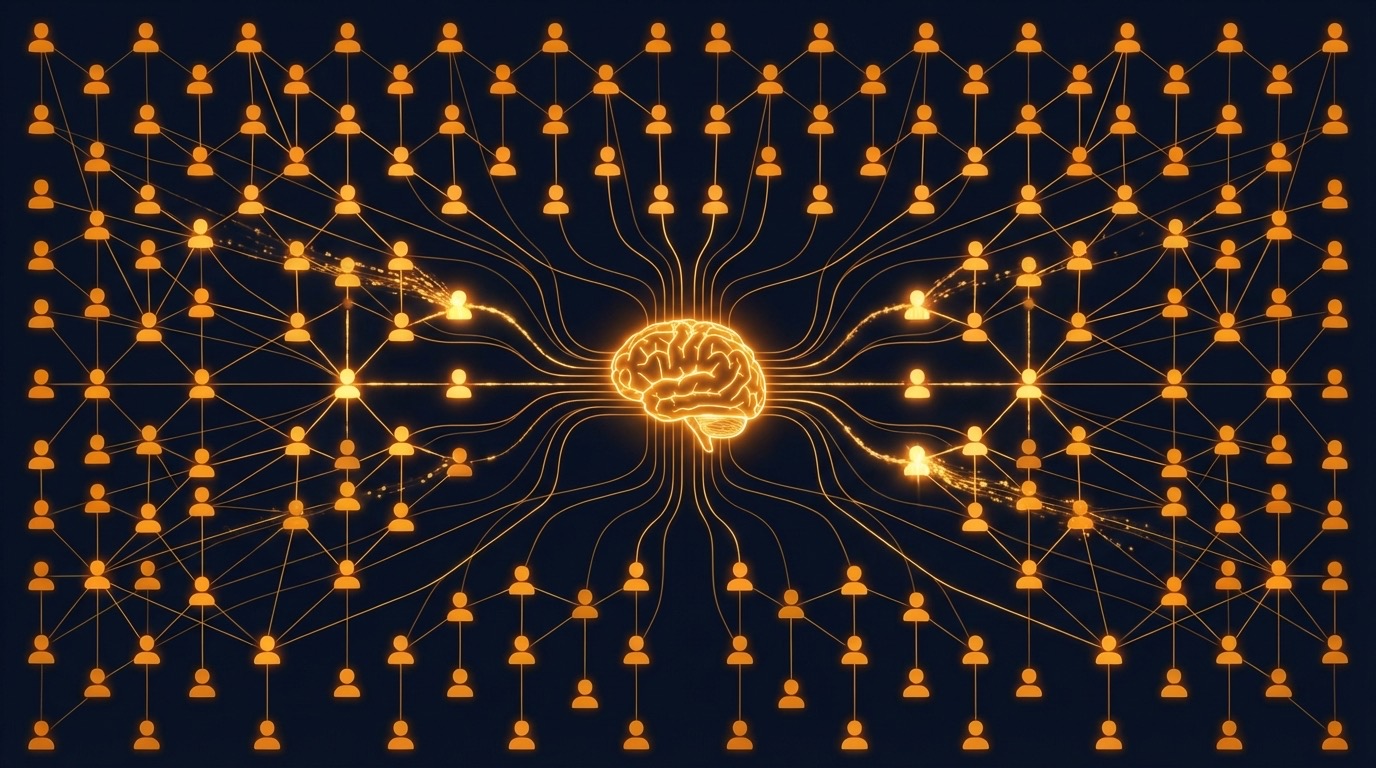
Stanford Simulated 1,000 Real People with AI. They Were 85% as Accurate as the Real Thing.
Joon Sung Park's Stanford dissertation paired LLMs with two-hour interviews to simulate 1,000 real individuals. The expert reflection technique and robustness findings validate everything we're building at Synthicant.
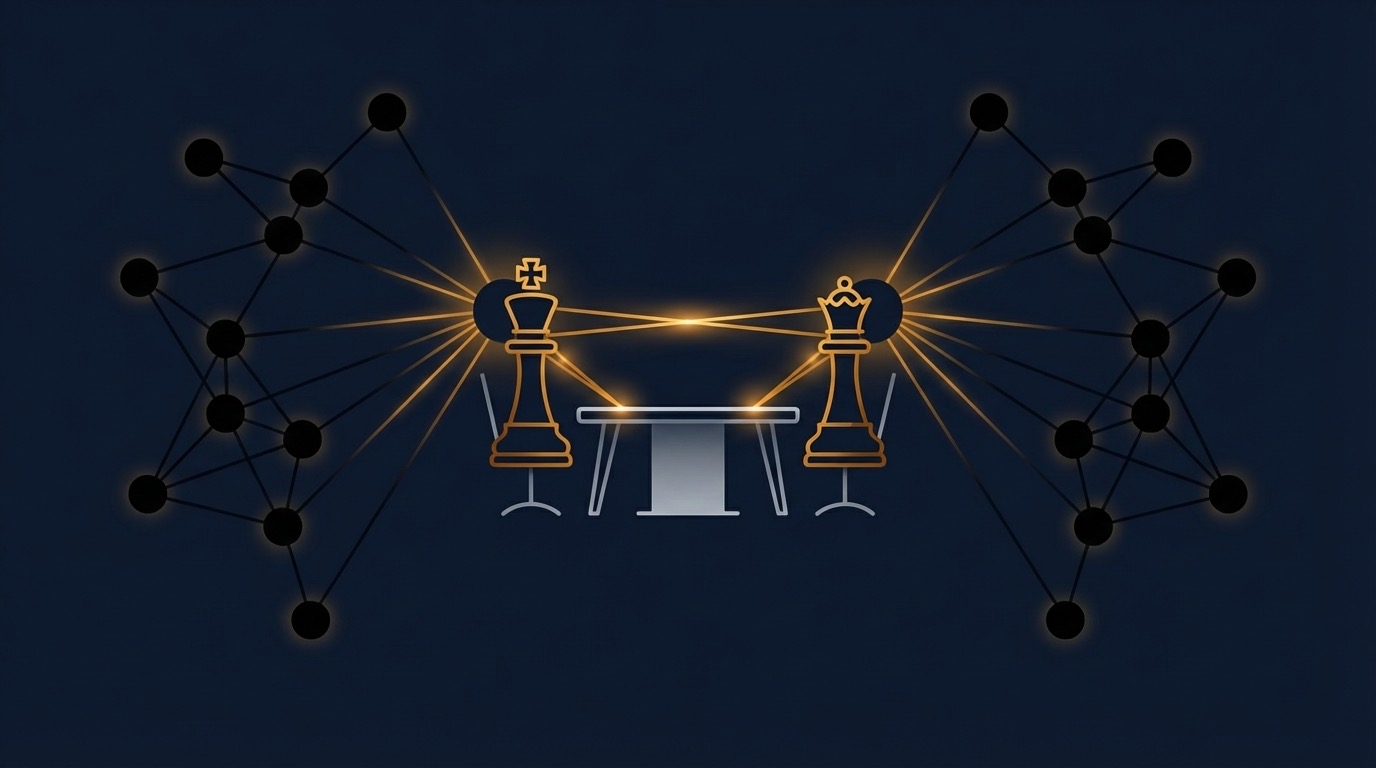
When AI Personas Negotiate: How Personality Traits Change Real Outcomes
Researchers gave AI agents different Big Five personalities and put them in negotiations. Agreeableness and Extraversion changed who won. Here's what that means for product testing.

Generative Agents: The Stanford Study That Proved AI Can Sustain Believable Behavior
In 2023, Stanford researchers built a town of 25 AI agents with distinct personalities. They stayed in character for days. Here's why that matters for synthetic user research.
Introducing Synthicant Chat: Embed AI Personas on Any Website
Drop a single script tag on your website and let visitors chat with an AI persona powered by your actual data. Support agent, interactive demo, conversational guide — all from one embed.
The Science Behind AI Personality: What Researchers Have Proven So Far
AI models don't just generate text — they exhibit measurable personality traits. Here's what the research says, why it matters, and how Synthicant uses it.
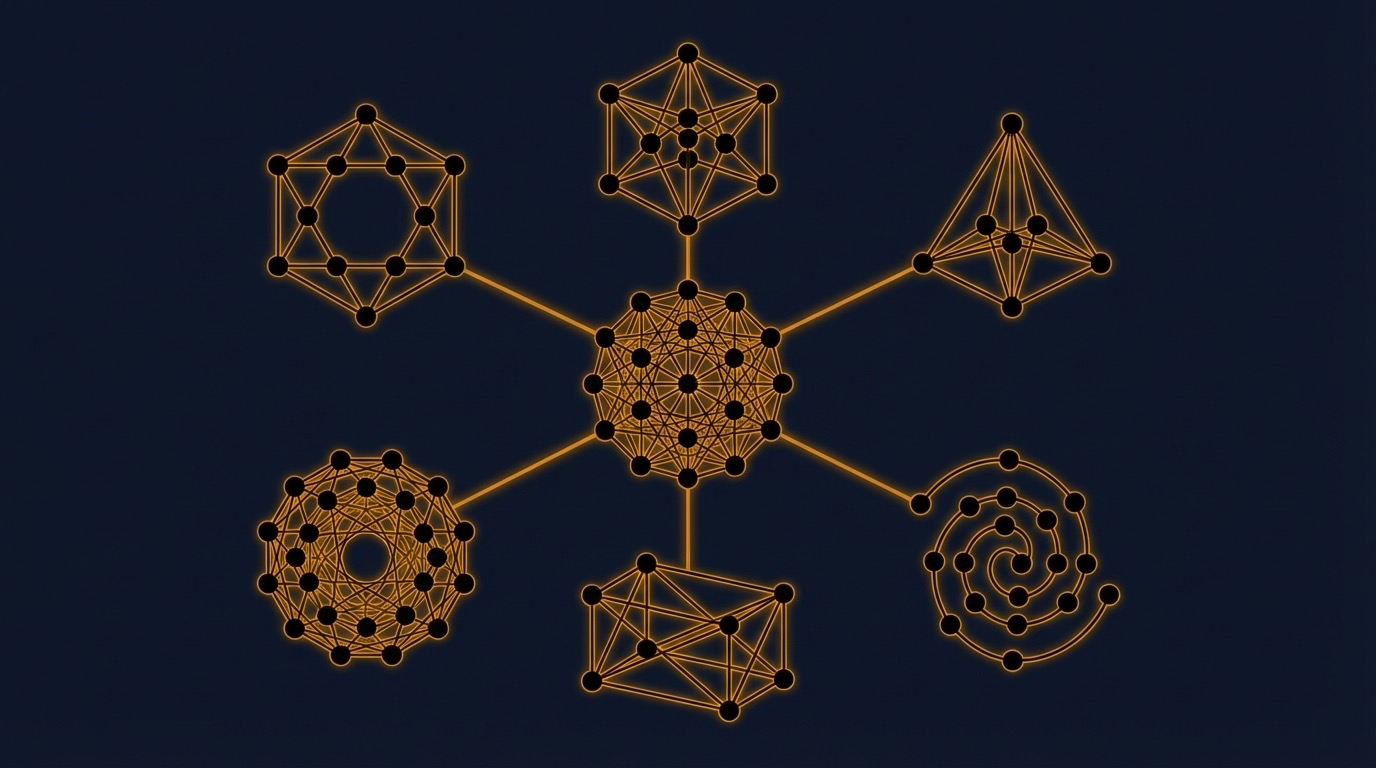
The 6 Research Frameworks Behind Synthicant's Persona Templates
Every Synthicant persona template is built on an established research framework. Here's which ones we use, why we chose them, and how they work together.

PII Redaction in AI Products: How We Keep Your Customer Data Safe
When you upload customer data to an AI product, where does the personal information go? Here's how Synthicant uses Microsoft Presidio to redact PII before it ever reaches the AI.
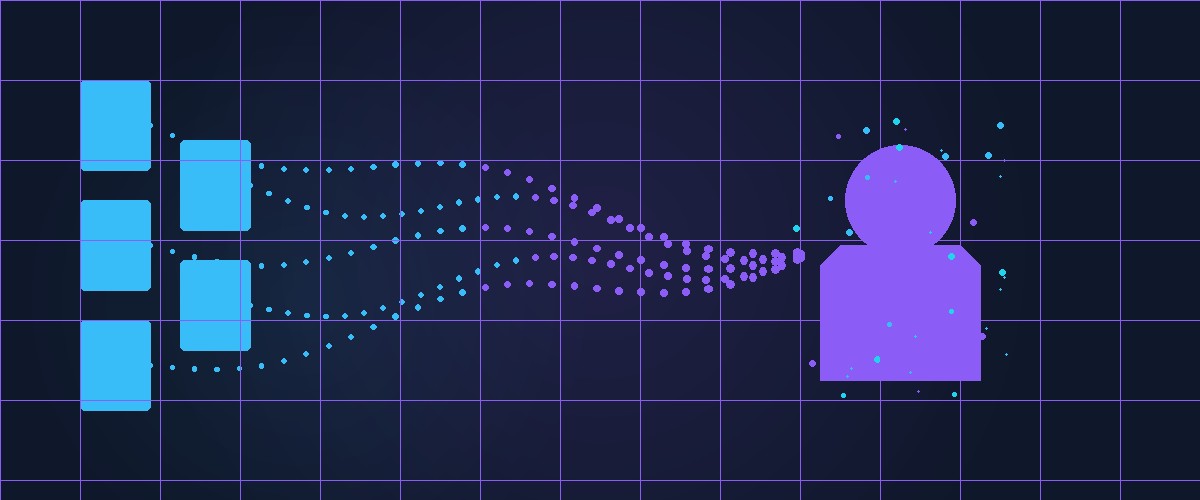
Dynamic Personas: How to Clone Your Real Customers with AI
Upload interview transcripts, support tickets, or product reviews and let AI extract personality traits, speaking style, and beliefs to create personas that mirror your actual users.
OCEAN Personality Model: Why It Makes AI Personas Actually Realistic
The Big Five personality framework is the most validated model in psychology. Here's why we use it to power Synthicant's synthetic personas and why it matters for your research.

How to Run 50 User Interviews in 10 Minutes
A step-by-step guide to creating AI personas, setting scenarios, and getting actionable user feedback in minutes instead of weeks.
Why We Built Synthicant: The User Research Problem Nobody Talks About
Traditional user research is slow, expensive, and full of bias. We built Synthicant to give product teams instant access to realistic synthetic personas powered by AI.